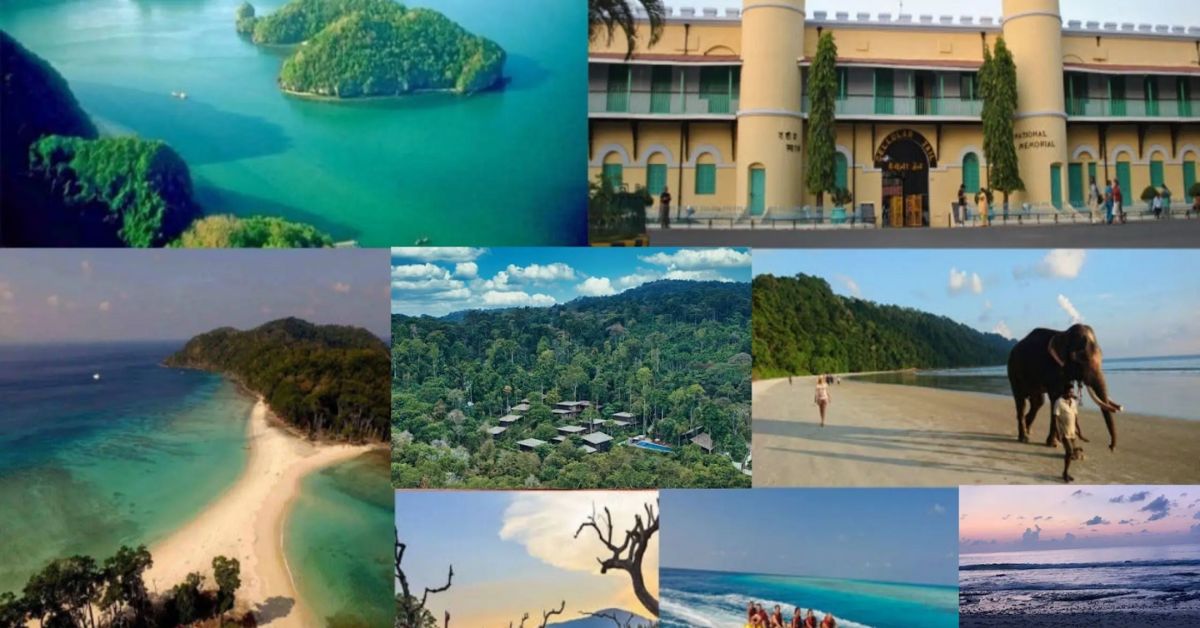
Tourist Places In Andaman And Nicobar Islands – These are by now known to you, Andaman & Nicobar Islands lie deep in the turquoise waters of the Andaman Sea and the Bay of Bengal. The capital of this Union Territory is Port Blair and it is also the largest city on the islands. While these tropical islands of India are a mesmerizing sight to look at and perfect for any holiday, these are also home to several historical monuments.
With an interesting mix of colonial settlements, markers of freedom struggle, and tribal landmarks, you can explore a fascinating slice of Indian history at Andaman & Nicobar Islands. Scuba diving, snorkeling, water sports, and world-class beaches are by far the most popular tourist activities here, but the islands also have their fair share of historical monuments, which tell stories about the history of Andaman & Nicobar. Explore each monument to dive deep into the times bygone, and the various influences the islands were exposed to while India was inching towards its freedom.
1. Cellular Jail: The Bastille of India’s Freedom Struggle
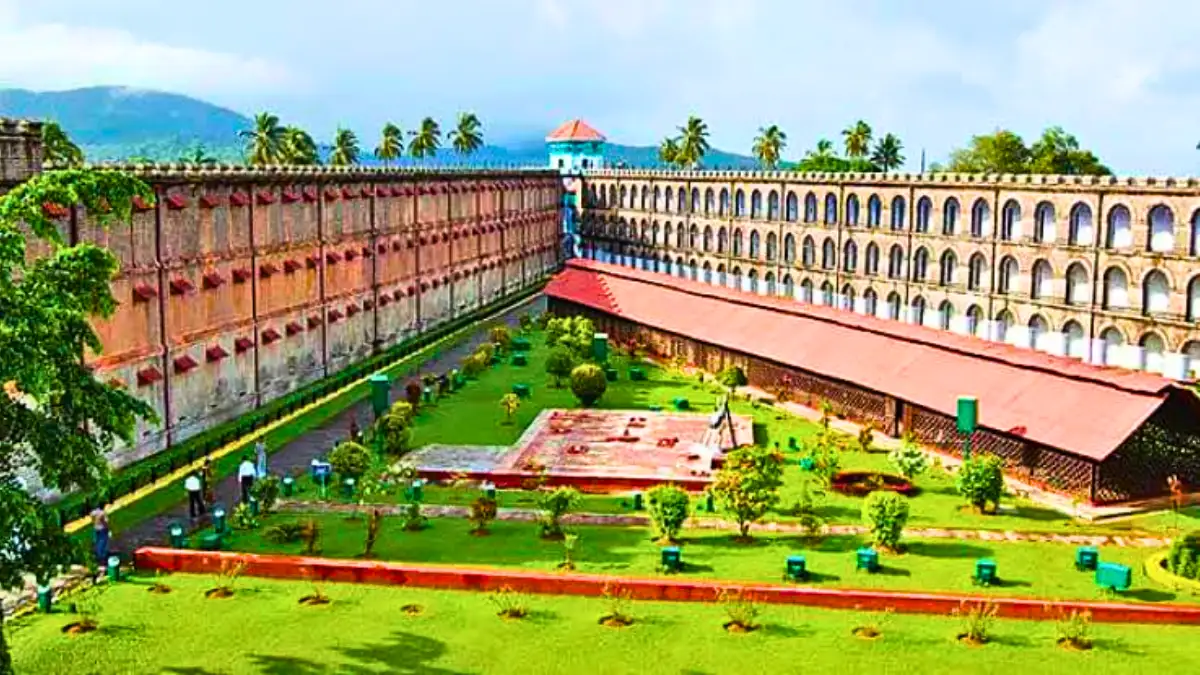
Rising over the streets of Port Blair, India’s Cellular Jail is one of the country’s most important monuments to the movement for independence from the British. Built between 1896 and 1906, the colonial prison complex served as a political prison to segregate and isolate Indian revolutionaries from the mainland and stifle dissent at the farthest edge of the British Empire.
Colonial authorities used architecture itself as a weapon of psychological warfare. The jail was originally designed as a seven-wing complex extending from a central tower. The wings were structured like the spokes of a bicycle wheel and held 693 separate cells in three stories of 231 cells each. The cells in the outer wings measured just 4.5 by 2.7 meters. Prisoners were cut off from each other in every way: they could not see or talk to other inmates as a means of breaking their will.
Historical Significance
The walls of this fortress witnessed unimaginable hardships endured by India’s bravest freedom fighters. Revolutionaries like Veer Savarkar, Batukeshwar Dutt, and Yogendra Shukla spent years within these confines, subjected to inhumane treatment that included:
- Forced labor: Prisoners were compelled to extract oil from coconuts using traditional grinding methods, producing 30 pounds daily
- Solitary confinement: Complete isolation in tiny cells without proper ventilation or sanitation
- Corporal punishment: Brutal flogging and torture for minor infractions
- Nutritional deprivation: Inadequate food designed to weaken prisoners physically and mentally
Today, the Cellular Jail stands as a national memorial, with only three of the original seven wings remaining. The Light and Sound Show held every evening brings history alive, narrating the struggles of freedom fighters through dramatic storytelling. Visitors can walk through the corridors where revolutionaries once languished, touch the walls that absorbed their pain, and experience the oppressive atmosphere that these patriots endured for India’s freedom.
2. Ross Island: The Administrative Paradise Turned Ruins
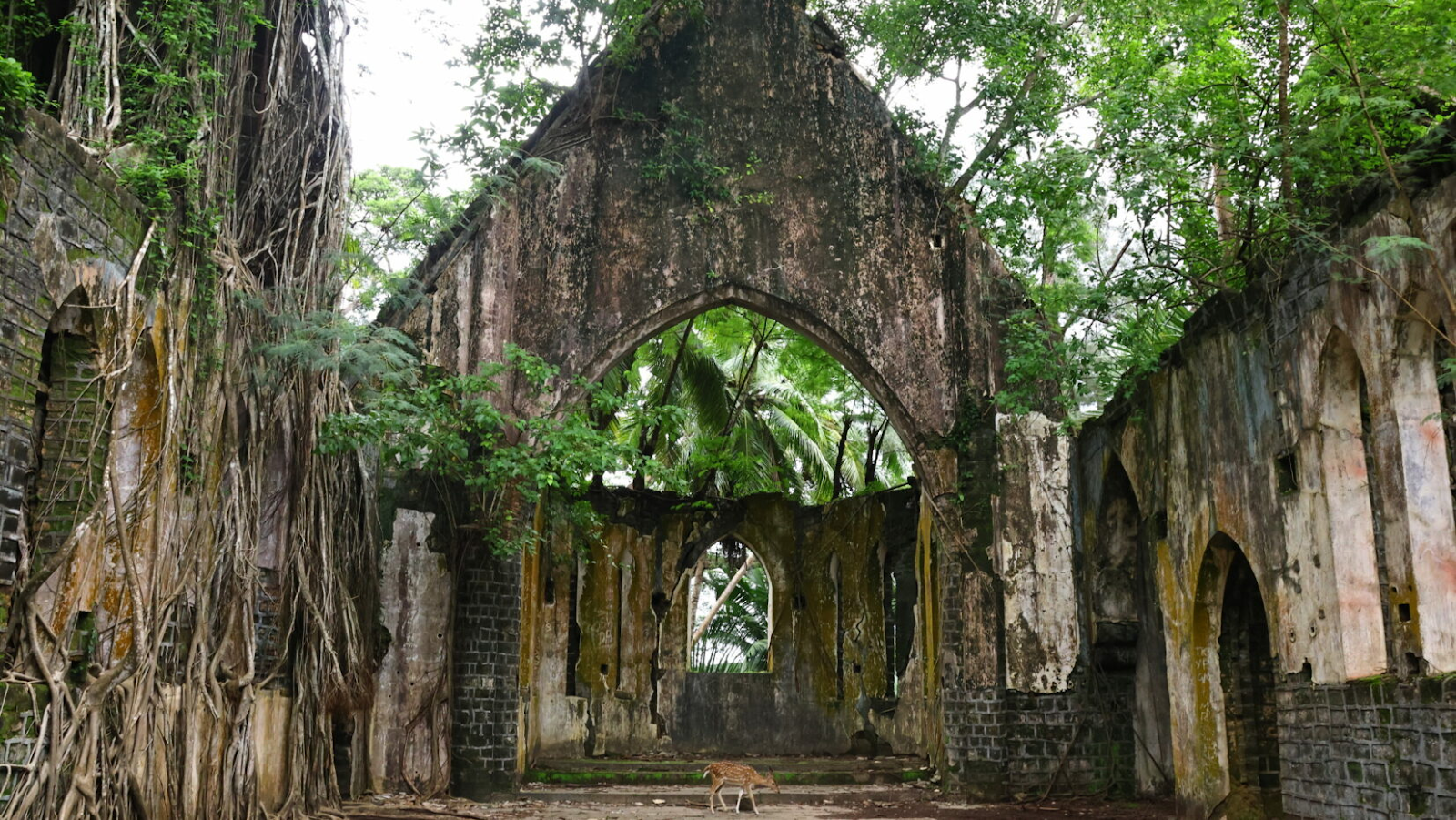
Located approximately 2 kilometers from Port Blair, Ross Island served as the administrative headquarters for the British in the Andaman and Nicobar Islands from 1858 until 1941. Once dubbed the “Paris of the East,” this island represented British colonial opulence at its peak, complete with luxurious bungalows, churches, swimming pools, and well-manicured gardens.
The island’s transformation tells a compelling story of nature reclaiming human ambition. After being abandoned following the 1941 earthquake and subsequent Japanese occupation during World War II, tropical vegetation slowly consumed the colonial structures. Today, visitors encounter a hauntingly beautiful landscape where tree roots embrace dilapidated buildings, and peacocks roam freely among crumbling walls.
Architectural Remnants
The ruins scattered across Ross Island provide glimpses into colonial life:
- Government House: The Chief Commissioner’s residence, now a skeleton draped in roots and vines
- Presbyterian Church: A roofless structure where Sunday services once echoed
- Officers’ Quarters: Scattered foundations revealing the hierarchical living arrangements
- Bakery and Swimming Pool: Remnants of recreational facilities that served the British elite
Walking through Ross Island feels like stepping into a time capsule where history and nature perform a delicate dance. The Japanese bunkers from World War II add another historical layer, reminding visitors of the strategic importance these islands held during global conflicts. Andaman Fiesta offers comprehensive guided tours that help visitors understand the complete historical context of Ross Island, connecting different eras of occupation and transformation.
3. Viper Island: Where Torture Met the Tide
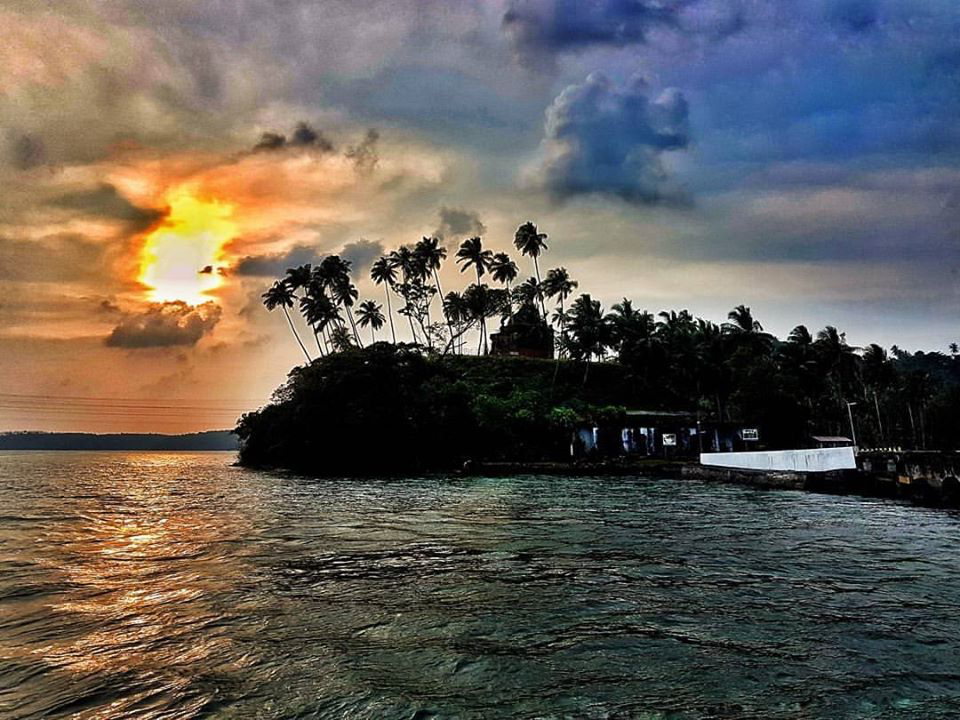
Situated 4 kilometers west of Port Blair, Viper Island carries a dark legacy as one of the earliest British penal settlements in the Andaman archipelago. Before the construction of Cellular Jail, this small island served as the primary location for housing political prisoners and criminals transported from mainland India.
Named after the vessel “Viper” that conducted geographical surveys of the harbor, this island became synonymous with brutal punishment methods. The gallows constructed here witnessed numerous executions, while the whipping post saw countless freedom fighters subjected to barbaric corporal punishment that often resulted in permanent injury or death.
What Remains Today
The island’s compact size makes it possible to explore its historical remnants within an hour:
- The Gallows: A reconstructed structure marking where executions took place
- Jail Ruins: Crumbling walls of the original prison buildings
- Torture Chamber: Remnants of structures where prisoners faced interrogation and punishment
- British Cemetery: Weathered tombstones of colonial officers who died serving in these remote islands
The journey to Viper Island itself becomes part of the experience, with boats cutting through azure waters while guides share stories of prisoners who attempted impossible escapes. The isolation that made this location ideal for British authorities now creates a contemplative atmosphere for visitors reflecting on the price paid for freedom.
4. Anthropological Museum: Guardian of Indigenous Heritage
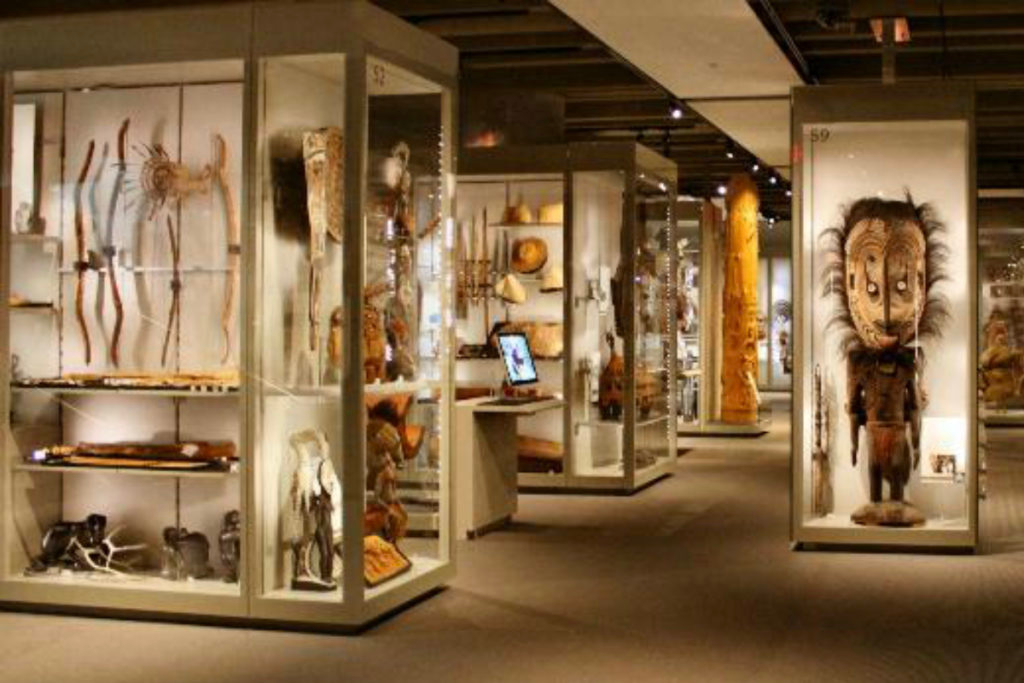
Located in Port Blair, the Anthropological Museum stands as a monument to the indigenous tribes who inhabited these islands for thousands of years before external contact. Established in 1975, this museum preserves the cultural heritage, tools, and traditions of tribes including the Great Andamanese, Onge, Jarawa, and the particularly reclusive Sentinelese.
Unlike traditional monuments built of stone and mortar, this museum serves as a living monument to cultures facing extinction. The exhibits showcase how these tribes survived in complete harmony with their environment, developing sophisticated knowledge of the forest and sea without modern technology.
Collections and Exhibits
The museum houses invaluable artifacts that document tribal life:
- Traditional Tools: Hunting implements, fishing equipment, and food preparation instruments crafted from natural materials
- Cultural Artifacts: Ornaments, ceremonial objects, and daily-use items revealing social structures
- Photographic Documentation: Rare images capturing tribal life before significant external contact
- Models and Dioramas: Life-size representations of traditional dwellings and community activities
The Anthropological Museum raises important questions about preservation, cultural sensitivity, and the impact of modernization on indigenous communities. It serves as a reminder that the history of Andaman and Nicobar extends far beyond colonial occupation, rooted in ancient civilizations that developed unique adaptations to island life.
5. Samudrika Naval Marine Museum: Where History Meets Marine Heritage
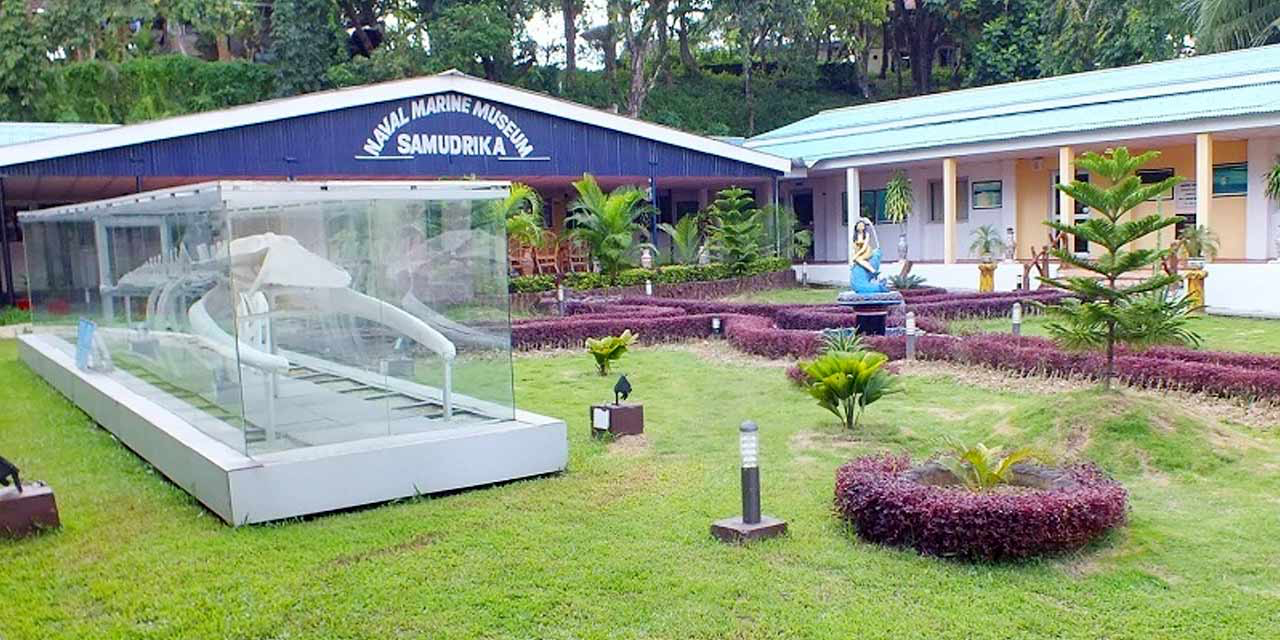
Managed by the Indian Navy, the Samudrika Museum in Port Blair presents a different dimension of the islands’ historical and natural significance. While primarily focused on marine life and island geography, the museum’s historical section documents the strategic naval importance of these islands from ancient trade routes through World War II to present-day security considerations.
The museum’s name, derived from the Sanskrit word for “ocean,” reflects its comprehensive approach to understanding the Andaman and Nicobar Islands as an integrated ecosystem where human history intertwines with marine biodiversity.
Museum Highlights
The five distinct sections create a complete narrative:
- Island History Gallery: Chronicles occupation by various powers including the British and Japanese
- Marine Life Section: Showcases the incredible biodiversity surrounding the islands
- Tribal Heritage Display: Presents respectful documentation of indigenous communities
- Coral Reef Exhibit: Explains the geological formation and ecological importance of surrounding reefs
- Naval History: Details the strategic role these islands have played in India’s maritime security
The juxtaposition of natural history with human history creates a unique perspective. Visitors understand how the isolation that created unique ecosystems also made these islands strategically valuable, influencing their tumultuous human history.
Planning Your Historical Journey
Exploring these monuments requires thoughtful planning to maximize your experience. The tropical climate means early morning or late afternoon visits prove most comfortable for outdoor monuments like Cellular Jail and Ross Island. Ferry schedules to offshore locations like Ross Island and Viper Island depend on weather conditions, particularly during monsoon months from May to September.
Essential Travel Tips:
- Photography permissions: Some monuments restrict photography in certain areas; always check before capturing images
- Guided tours: Professional guides provide context that brings historical significance alive beyond what plaques convey
- Respectful visitation: Remember these are sites of suffering and sacrifice; maintain appropriate decorum
- Combined passes: Several monuments offer combined entry tickets providing better value for comprehensive exploration
Andaman Fiesta specializes in creating customized itineraries that connect these historical monuments with the islands’ natural beauty. Their experienced guides provide deeper insights into each location’s significance, ensuring visitors gain comprehensive understanding rather than merely checking boxes on a tourist list.
The Contemporary Relevance of Historical Monuments
These monuments serve purposes beyond tourism, functioning as educational tools that remind contemporary generations of the struggles that secured their freedom. School groups from mainland India regularly visit Cellular Jail as part of citizenship education, experiencing firsthand the conditions their ancestors endured.
The preservation efforts undertaken by the Archaeological Survey of India and local authorities ensure these structures remain accessible for future generations. Climate change and rising sea levels pose particular challenges for island monuments, making current conservation work increasingly urgent.
International tourists find these monuments particularly compelling as they represent lesser-known chapters of colonial history. While most world history focuses on mainland independence movements, the Andaman and Nicobar Islands demonstrate how colonial powers utilized geographical isolation as a weapon against dissent.
How Andaman Fiesta Enhances Your Historical Experience
Navigating the Andaman and Nicobar Islands’ rich historical landscape requires local expertise and logistical coordination. Andaman Fiesta provides comprehensive support that transforms potentially complicated planning into seamless exploration.
Their services address practical challenges travelers face:
- Logistical Coordination: Arranging ferry bookings to Ross Island and Viper Island, which often require advance reservations during peak season
- Expert Interpretation: Professional guides who contextualize monuments within broader historical narratives, connecting individual sites into coherent stories
- Cultural Sensitivity: Ensuring visits to tribal museums and anthropological sites respect indigenous communities’ dignity and privacy
- Timing Optimization: Scheduling visits to maximize experiences, such as ensuring you catch the Cellular Jail Light and Sound Show
- Integrated Itineraries: Combining historical exploration with the islands’ natural attractions, creating balanced experiences that appeal to diverse interests
Their deep connections within local communities provide access to experiences independent travelers might miss, from conversations with local historians to special permission visits at certain sites.
Preserving Memory for Future Generations
As survivors and eyewitnesses of history fade away, these physical structures take on an even more important role in the collective memory. In fact, all the doors and cells have not been preserved, and only three wings of the Cellular Jail survive out of the original seven. This diminishing state of heritage sites is a reminder that preservation is not a one-time effort, but a continuous need for resources and vigilance.
Digitization initiatives have led to virtual tours of monuments and their surroundings, thus supplementing physical visits. Using advanced 3D scanning technology, architectural details of monuments that may eventually be lost to weathering and time are being captured for posterity. This not only aids in creating digital archives for researchers but also ensures that future generations will have access to these monuments even if the physical structures eventually crumble.
Initiatives to educate and involve local youth and island communities have been taken up. This helps to ensure that local islanders keep the link with the past alive. With local communities attached to these monuments, their preservation becomes less of an official or governmental responsibility and more of a collective duty.
Conclusion
The historical monuments of Andaman and Nicobar Islands are not just tourist attractions; they are immersive educational experiences set against the backdrop of tropical paradise. These monuments offer a unique blend of history, architecture, and nature, providing visitors with an opportunity to learn and reflect on the past. As the most important tourist destinations, each of these monuments has its own story and significance.
They offer unique insights into the past. They tell stories of colonial rule, penal settlements, indigenous cultures, and nature’s reclamation. The monuments provide tangible connections to the past, allowing visitors to witness history through crumbling structures and preserved artefacts. Exploring these monuments is not just a leisure activity; it is a journey through time that enriches our understanding of human history.
The monuments are a tribute to the human spirit. Visiting these monuments is a humbling experience. Standing in the same places where convicts toiled or freedom fighters suffered is a reminder of the resilience of the human spirit in the face of adversity. The islands’ isolation, once a reason for their selection as a penal colony, now lends a reflective atmosphere to these monuments, allowing visitors to connect with history without the distractions of mainland India.
The five monuments provide a unique experience for history buffs, colonial history scholars, or those looking for more than beaches and water sports in Andaman. These monuments offer much to those who take the time to explore and understand their significance. From learning about the harsh realities of colonial rule and penal colonies to appreciating the indigenous cultures and the beauty of reclaimed nature, these monuments have a story to tell for those who are willing to listen.
FAQ
Are these monuments accessible for elderly visitors or those with mobility challenges?
Cellular Jail and the museums in Port Blair offer reasonable accessibility with wheelchair ramps available. However, Ross Island and Viper Island involve uneven terrain and boat transfers that may challenge visitors with significant mobility limitations.
Do I need special permits to visit these historical sites?
Indian citizens need only standard entry tickets. Foreign nationals require a Restricted Area Permit (RAP) for the Andaman and Nicobar Islands, typically issued upon arrival at Port Blair airport or obtained in advance through Indian embassies.
Can I take photographs inside these monuments?
Photography is generally permitted at most monuments for personal use, though some restrictions apply inside certain museum galleries. Video cameras may require additional fees at some locations. Always verify current policies at each site.